
From Eastman to Alaris to Kingswood and back to Eastman, the story of modern-day Kodak unfolded.
Eastman Kodak has a long and storied history, but that’s a story for some other time. Here, focus is on the last decade and a half.
How we got here
In 2012, Eastman Kodak filed for Chapter 11 bankruptcy after a decade-long decline in film photography. As part of the bankruptcy restructuring, Eastman Kodak faced a $2.8 billion claim from the UK Kodak Pension Plan (KPP). To resolve this claim, in 2013, a new company was created — Kodak Alaris — for which KPP paid $325 million.
Kodak Alaris (UK-based) kept doing personalised imaging business (which became Kodak Moments) and document imaging business (which became the Kodak Alaris Business Unit). It, crucially, also had exclusive worldwide distribution rights for all Kodak-branded still photography film which was sold under “Kodak Professional” branding, while it did not manufacture any film.
Eastman Kodak (in Rochester, NY), at the same time, manufactured all still and motion photography film and distributed motion picture film directly, leading to companies like CineStill. Eastman Kodak also kept all Kodak trademarks and film formulas but had no direct connection to still-film distribution.
What Happened to Kodak Alaris?
On August 1, 2024, Kodak Alaris was acquired by Kingswood Capital Management (KCP), a Los Angeles-based private equity firm. The UK Pension Protection Fund decided to sell Kodak Alaris, as it was a standard practice for pension scheme assets; despite the company performing well — it was simply a good time to sell some of the fund’s assets. KCP acquired Kodak Alaris for an undisclosed price; their typical investments were $50-150 million, while Alaris had revenue of about $495-500 million. Finally, KCP decided to maintain two business units — Kodak Moments (photo products/services) and Kodak Alaris Business Unit (document scanners/software) — two larger revenue drivers — leaving what was left independent under its existing name — Kodak Alaris.
Expectedly, the community panicked; many expressed their concerns about “vulture capitalists” dismantling the company and fears that Kodak film might be discontinued. In reality, film sales had grown ~20% over the previous 5 years, making it unlikely to be discontinued.
Currently, as of February 2026, Kodak Alaris still exists as a company, still distributes some Kodak films, hasn’t announced plans to exit film distribution, and still operates under the Kodak Professional brand. And finally, Kingswood appears committed to continued operations.
Eastman Kodak Takes Back Control
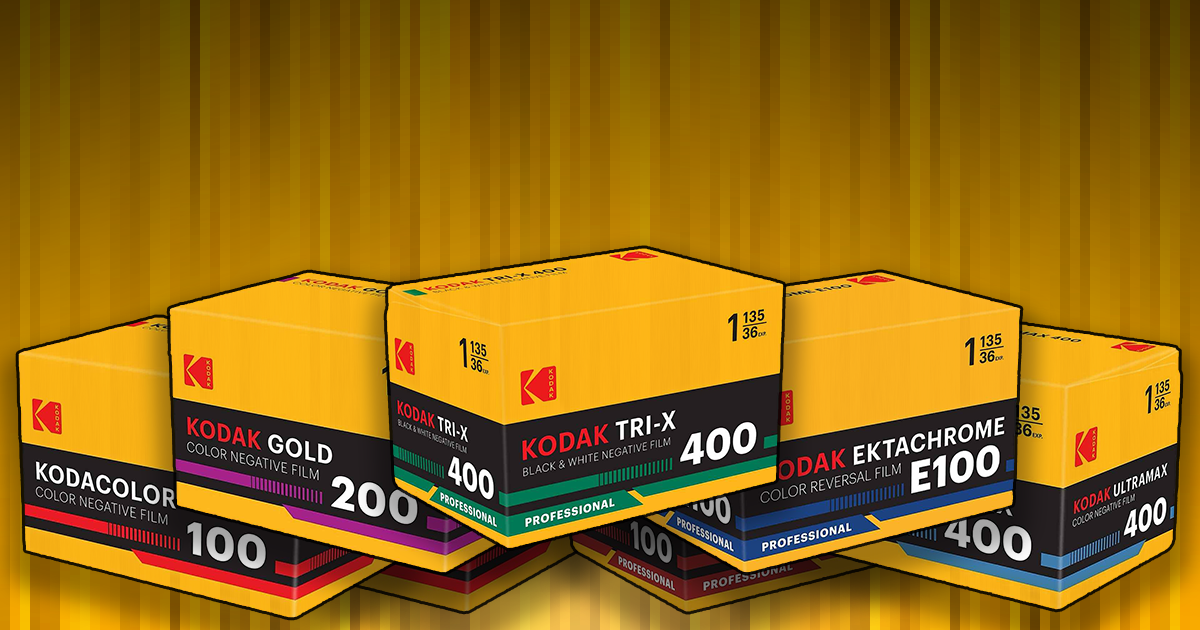
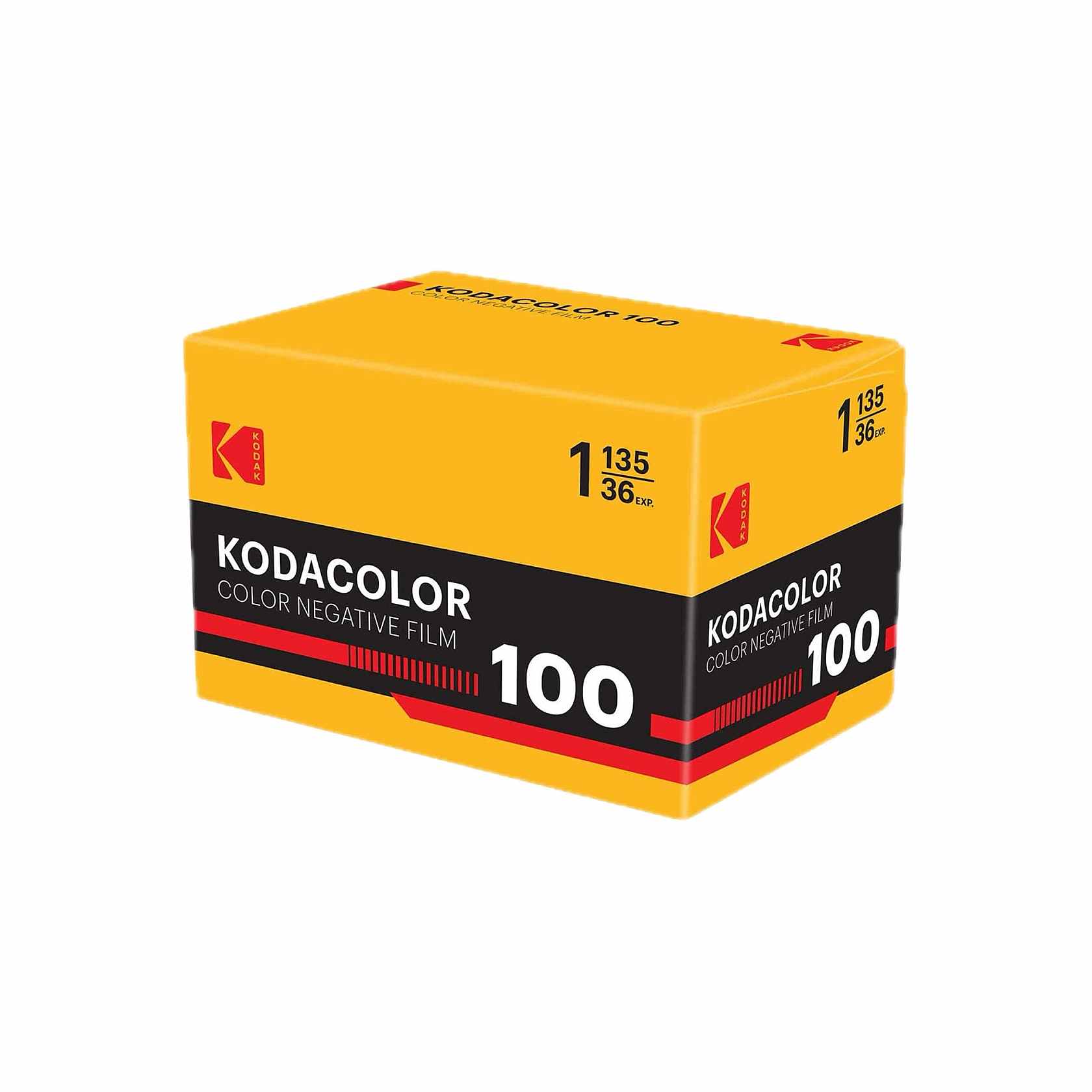
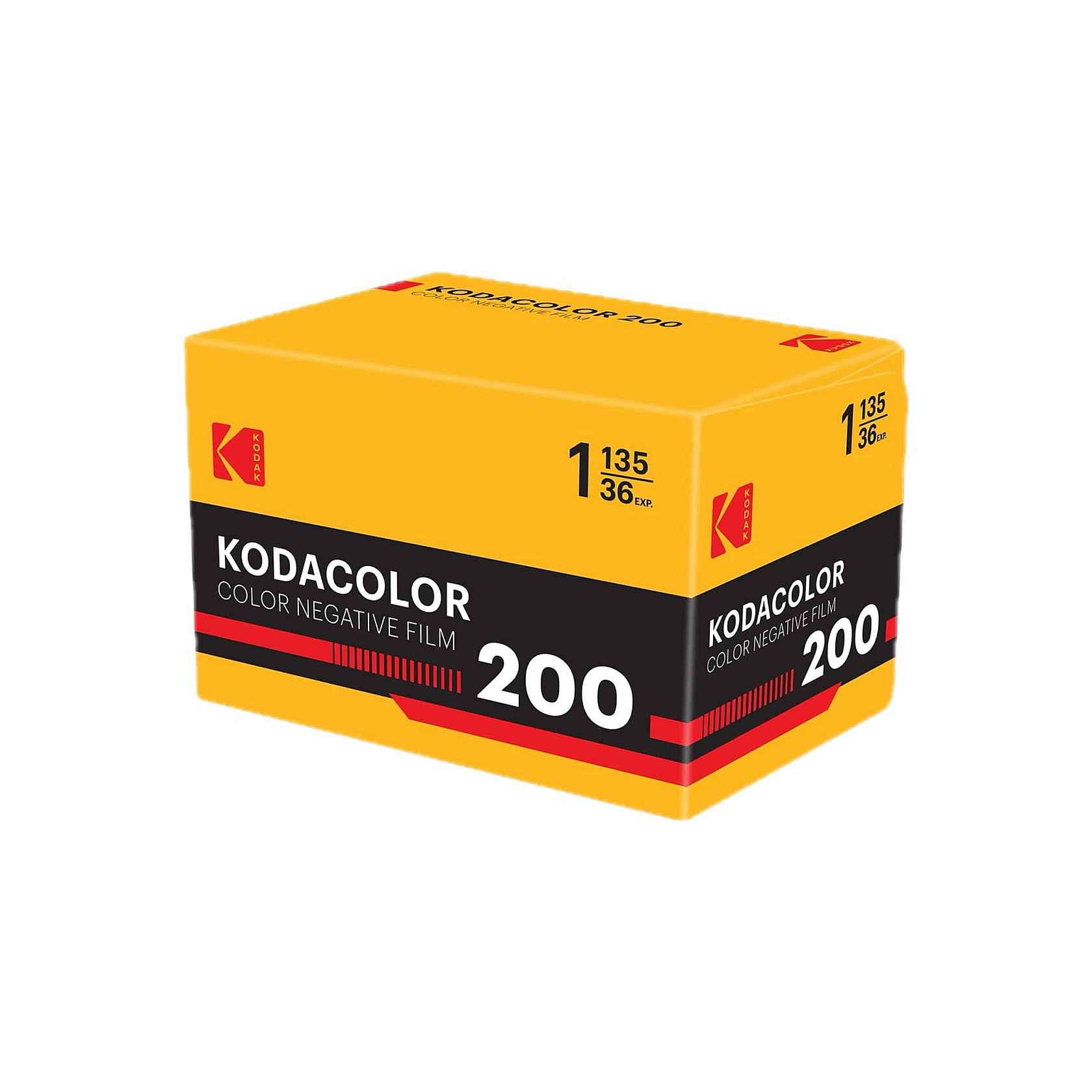
In early October 2025, Eastman Kodak made a surprise announcement: Kodacolor 100 and Kodacolor 200 were being released as the first films distributed directly by Eastman Kodak in over a decade. This announcement broke the 12-year Kodak Alaris monopoly and introduced a brand-new, retro-inspired bright yellow packaging featuring the classic Eastman Kodak logo (not Kodak Professional branding). And interestingly enough, new films are priced slightly lower than Alaris-distributed films.
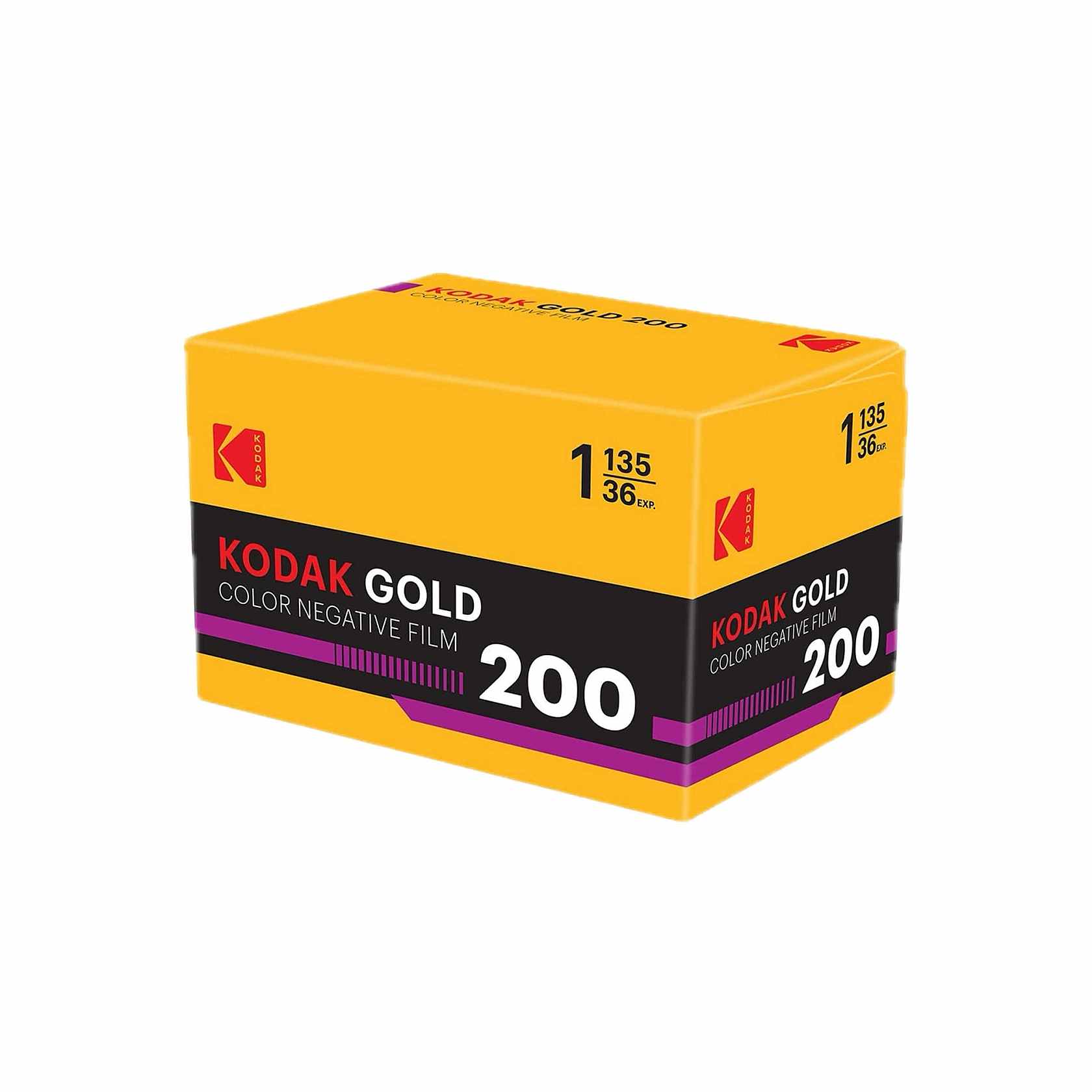
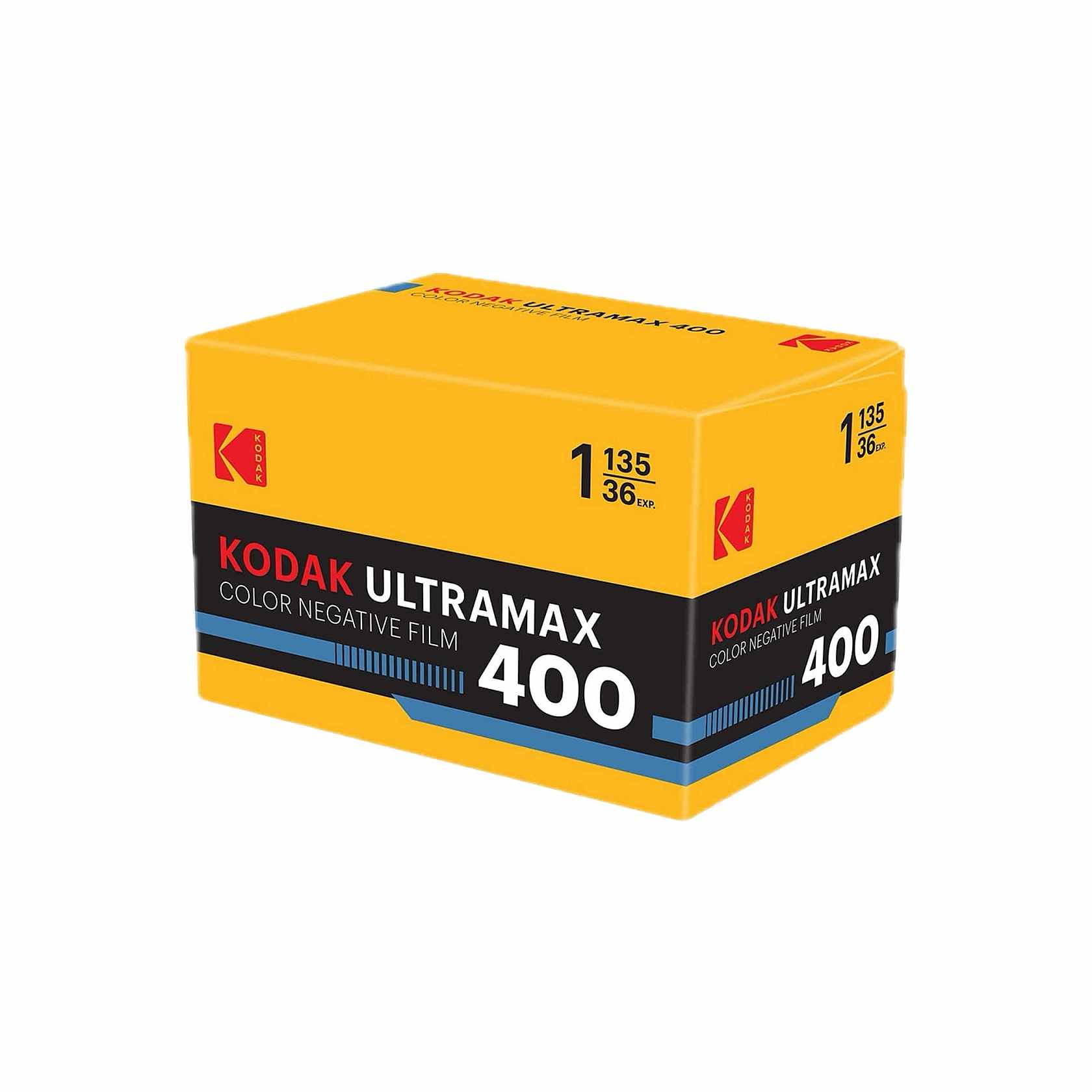
In November 2025, Eastman Kodak added Gold 200 and Ultramax 400 to direct distribution, with the same retro yellow packaging. With this release, all consumer colour films are now under Eastman Kodak’s distribution.
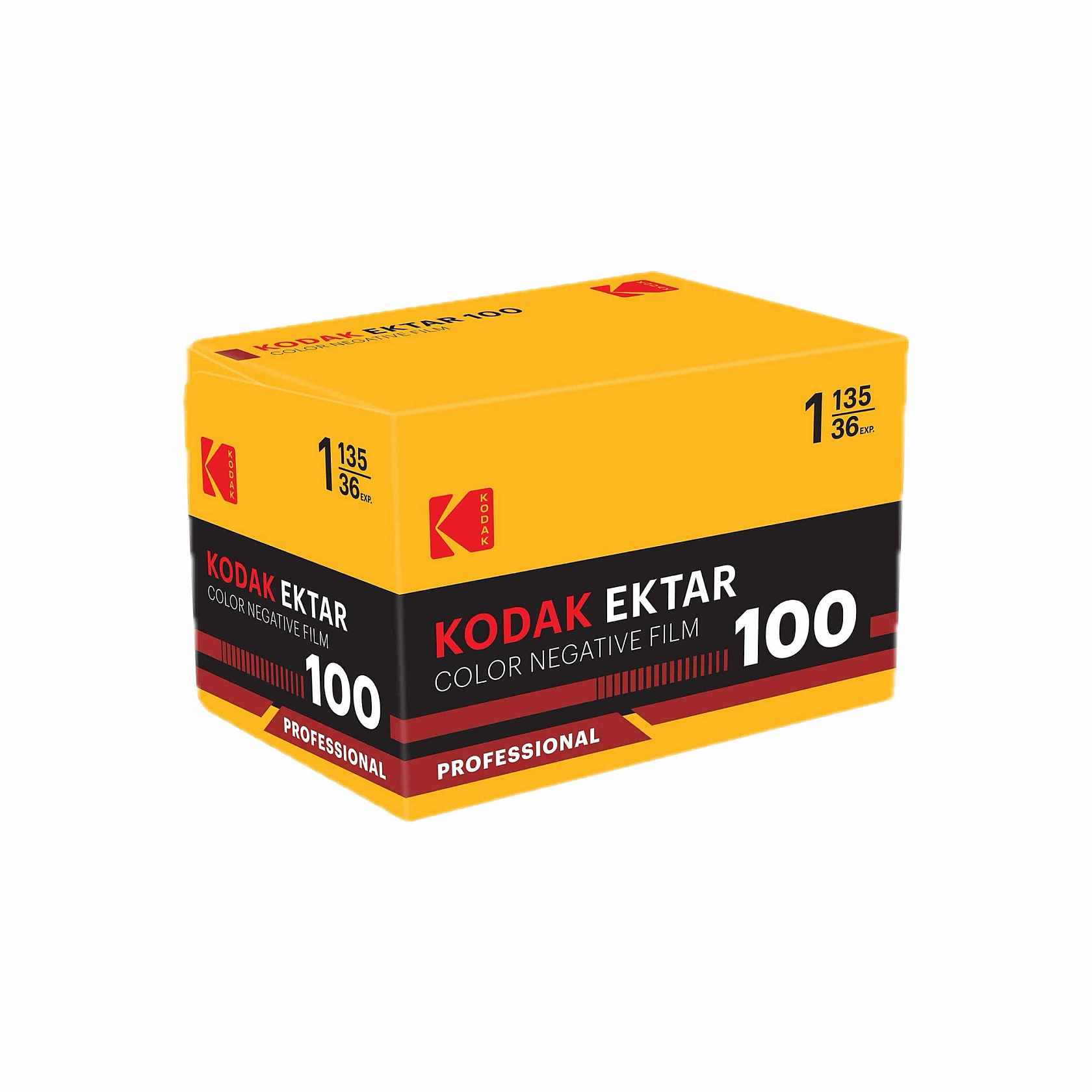
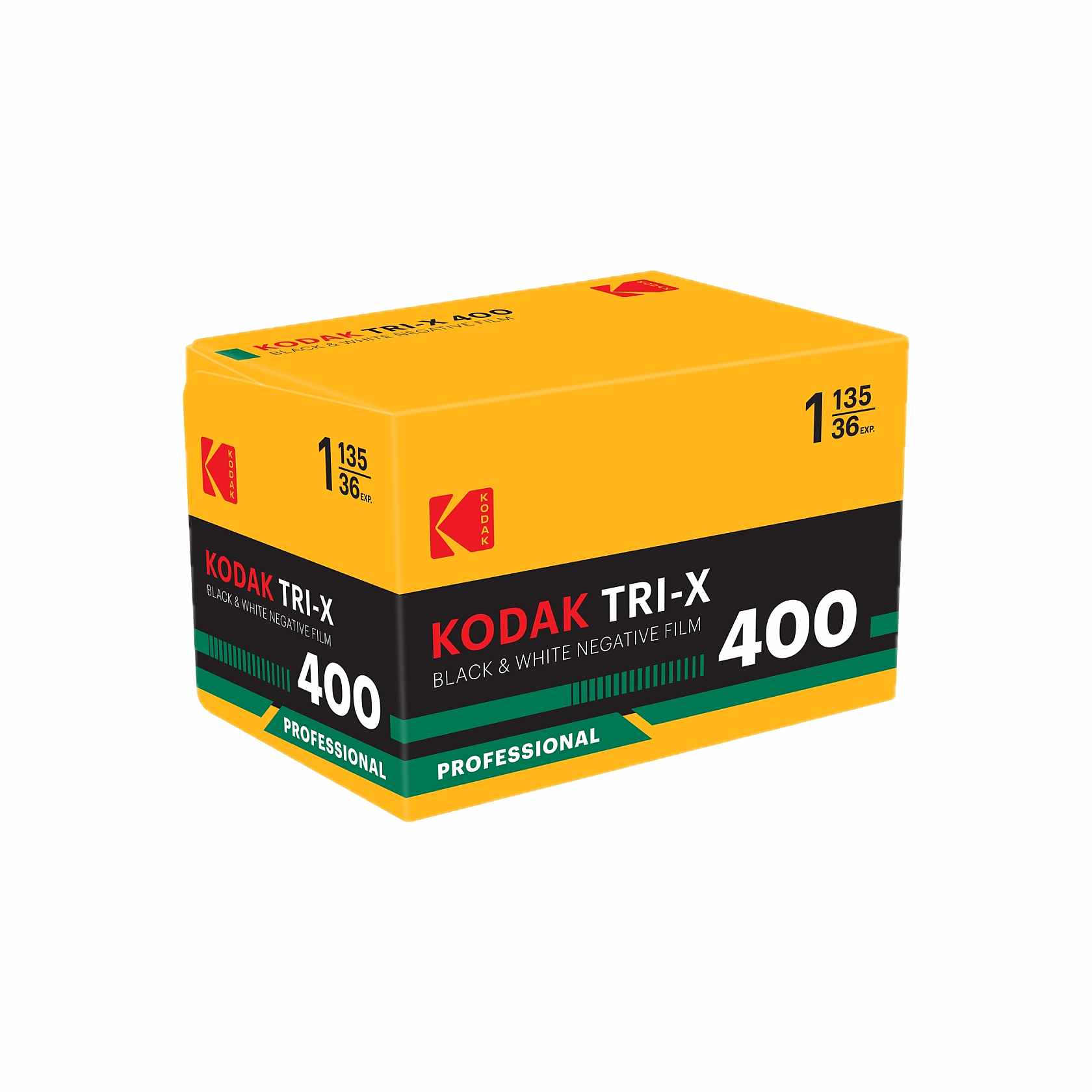
As a fresh start in 2026, in January 2026, professional films finally joined — Ektar 100 and Tri-X 400 became “direct-from-Kodak” films and the first professional-grade films to make the switch. Both films are available in both 35mm and 120 formats, and both enjoy slight price reductions vs Alaris versions.
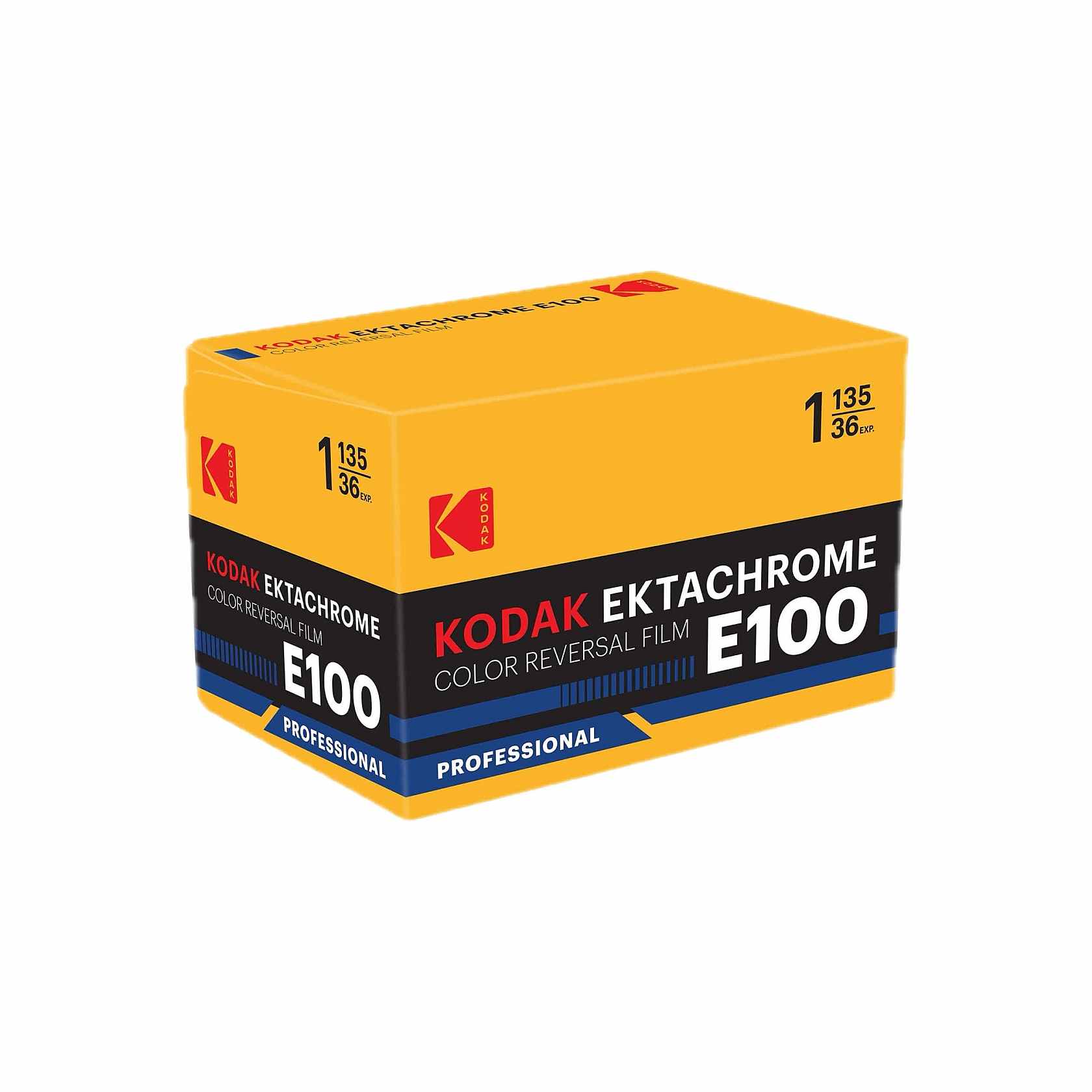
Finally, in February 2026, slide film returns — Ektachrome E100, the only remaining Kodak slide film, was added to Eastman Kodak distribution. As with previous releases, it is also available in 35mm and 120.
The Portra Question – Answered
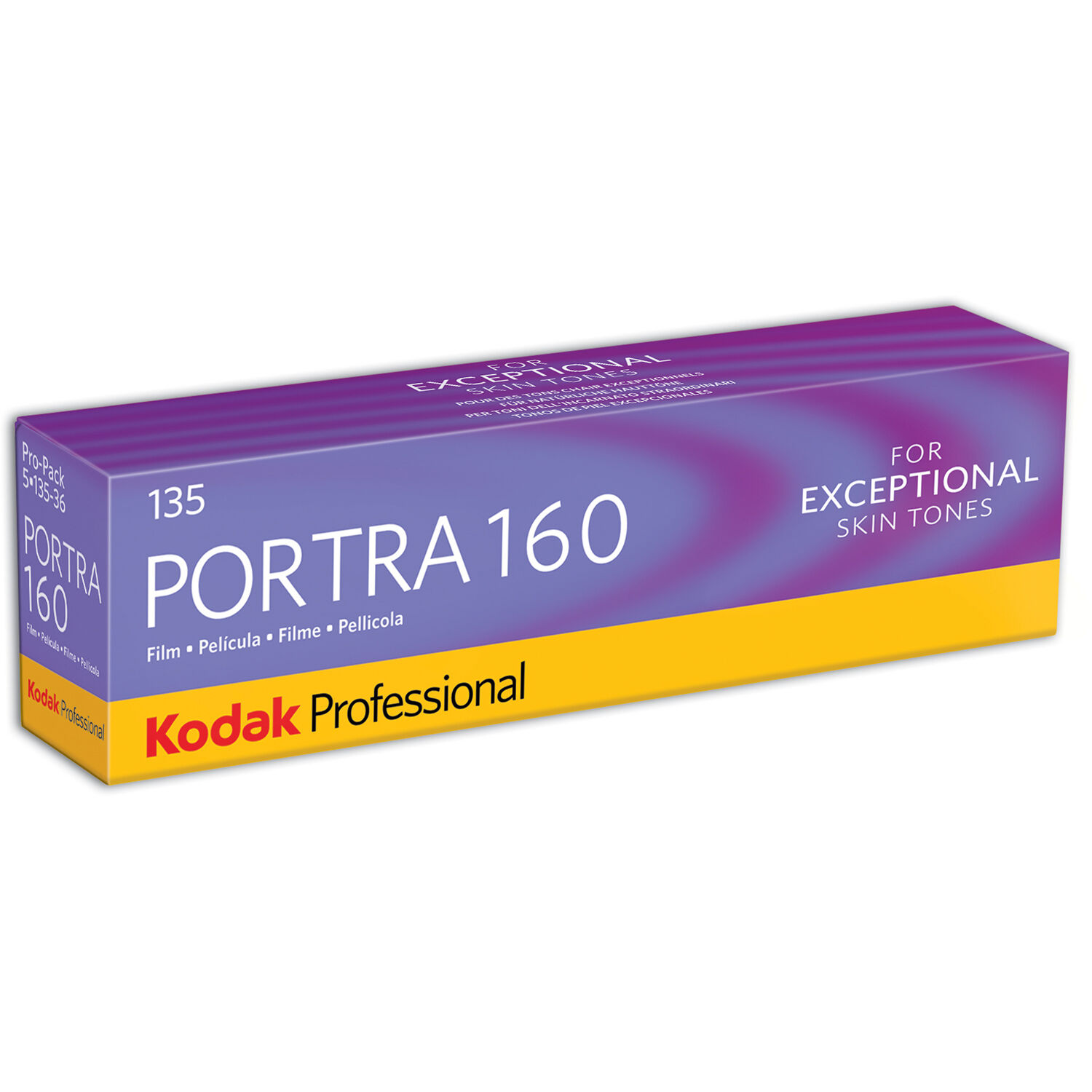
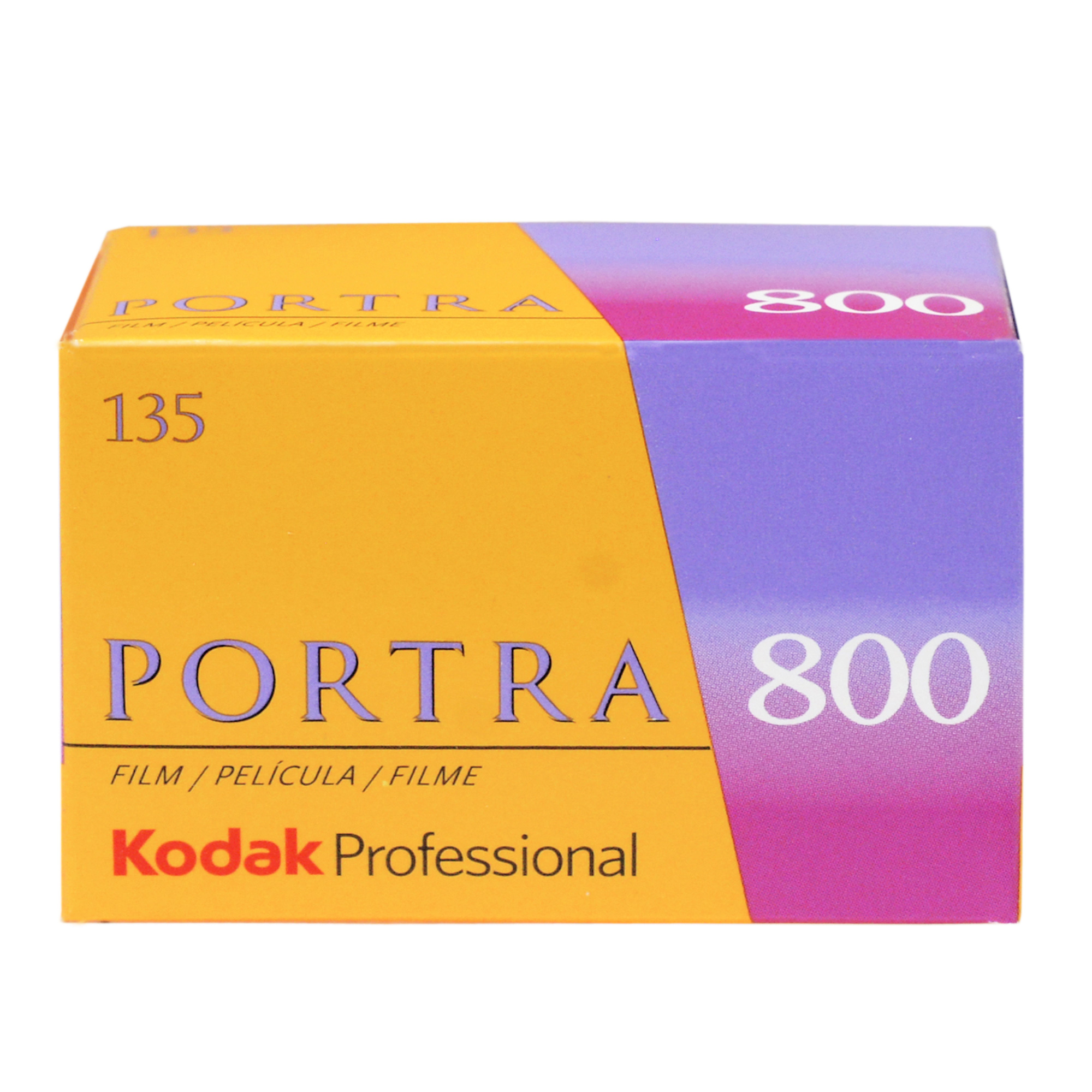
Portra is the last holdout. As of February 2026, the entire Portra line (160, 400, 800) remains exclusively distributed by Kodak Alaris. Portra is the most profitable Kodak film line (156% growth since 2020) and sells at the highest price point. With the highest profit margins, neither company would be willing to let it go; it might have special contractual protections, could be leveraged in negotiations between companies, could remain with Alaris indefinitely as a premium line or could be next to transfer. With no official statement from either company, everything discussed here is just pure speculation.
This was written in February 2026. Just a few weeks later, in March 2026, the Portra question got its answer.
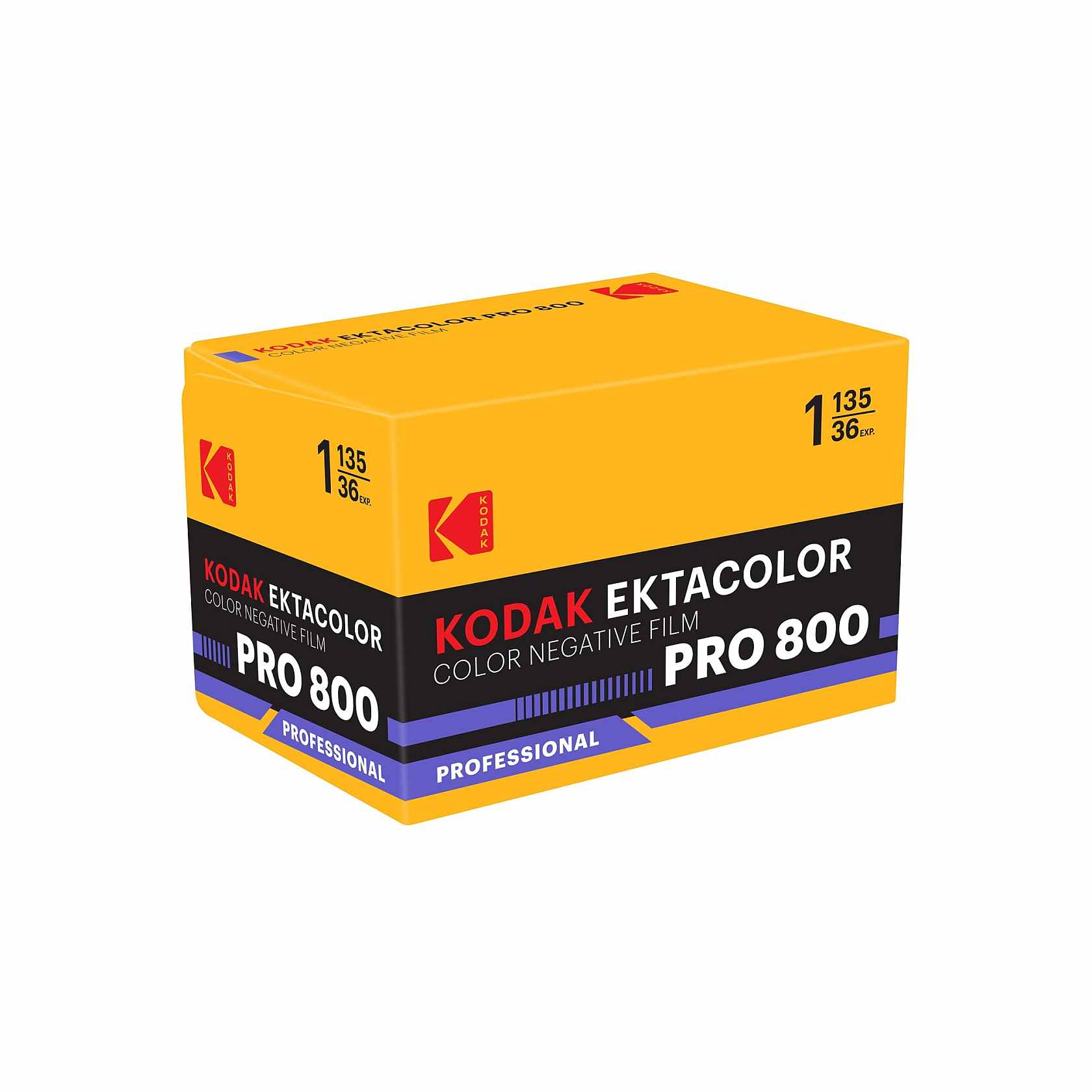
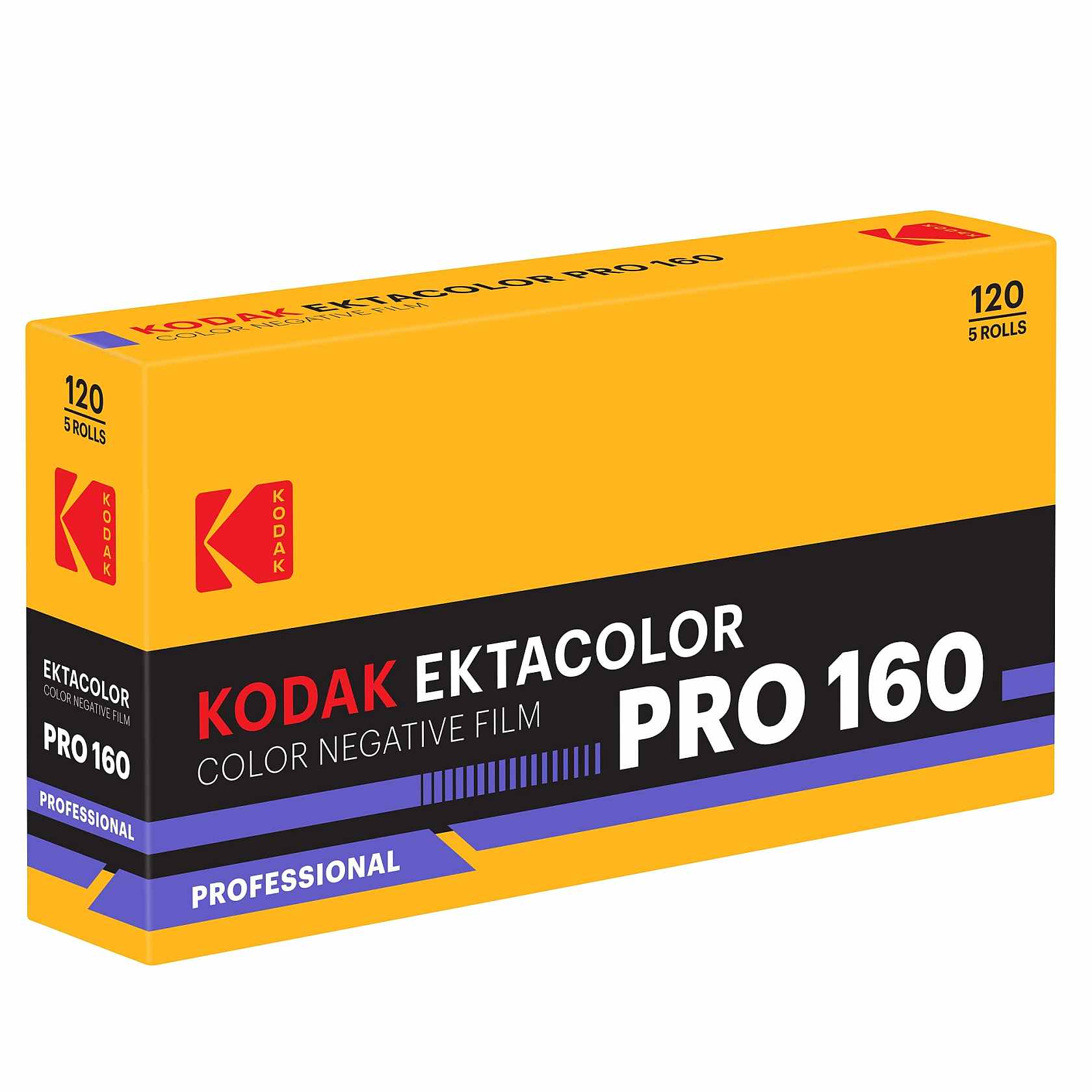
On March 24, 2026, Eastman Kodak announced two new professional film families: Ektacolor Pro (colour negative; 160, 400, 800) and Ektapan (black and white; 100, 400, P3200). These are the same emulsions as Portra and T-Max, respectively, distributed directly by Eastman Kodak under new “old” names. New names were a legal necessity since Kodak Alaris owns the Portra and T-Max trademarks. For all photographers entering the film market in the last two decades, chosen names are indeed new. But for those who remember Portra was called Vericolor in the 1990s, they will remember an even earlier name — Ektacolor, exactly the name Eastman Kodak reused. Ektapan black & white film was discontinued in 2002, and T-Max was a recommended, closest-looking successor. Historically looking, both names are well-chosen and follow the same product lineage.
Kodak Alaris still holds the Portra and T-Max trademarks and may continue selling remaining stock under those names in its own recently updated packaging, but the emulsions going forward are now part of the Eastman Kodak portfolio. No official statement has addressed how long both versions will coexist on shelves or whether Alaris will eventually phase them out.
CineStill and Third-Party Respooling
Eastman Kodak recently stopped third-party respooling of photo film, but the current agreement allows CineStill to make special runs (Vision3 with remjet removal). While it is different from movie industry film, Kodak Alaris’s exclusive distribution agreement may not cover cinema-stock conversions. After the latest changes to cinema stock (remjet layer removal), exclusive deals might not be so exclusive anymore. Without solid statements from all involved companies, nothing is known for now.
Current Film Distribution Status
Distribution status is correct at the time of writing of this article – May 2026.
Films Distributed by EASTMAN KODAK
Colour Negative
- Kodacolor 100 (35mm) – introduced in October 2025; believed to be Pro Image 100 emulsion
- Kodacolor 200 (35mm) – introduced in October 2025; ColorPlus 200 emulsion
- Kodak Gold 200 (35mm, 120)
- Ultramax 400 (35mm)
- Ektar 100 (35mm, 120)
- Ektacolor Pro 160 (35mm, 120, 4×5, 8×10) – introduced in March/May 2026; Portra 160 emulsion
- Ektacolor Pro 400 (35mm, 120, 4×5, 8×10) – introduced in March/May 2026; Portra 400 emulsion
- Ektacolor Pro 800 (35mm, 120) – introduced in March 2026; Portra 800 emulsion
Black & White
- Tri-X 400 (35mm, 120, 100ft bulk roll) – bulk roll introduced in May 2026
- Tri-X 320 (4×5, 5×7, 8×10) – introduced in May 2026
- Ektapan 100 (35mm, 120, 4×5, 100ft bulk roll) – introduced in March/May 2026; T-Max 100 emulsion
- Ektapan 400 (35mm, 120, 4×5, 100ft bulk roll) – introduced in March/May 2026; T-Max 400 emulsion
- Ektapan P3200 (35mm) – introduced in March 2026; T-Max P3200 emulsion
Slide Film
- Ektachrome E100 (35mm, 120)

Films Still Distributed by KODAK ALARIS
Colour Negative
- Portra 160 (35mm, 120, 4×5, 5×7, 8×10, 12×20, 20×24)
- Portra 400 (35mm, 120, 4×5, 4×10, 5×7, 8×10, 11×14, 20×24)
- Portra 800 (35mm, 120)
- Gold 200 (35mm, 120)
- Professional Gold 200 (120)
- ColorPlus 200 (35mm)
- Pro Image 100 (35mm) – select markets (Asia/Latin America)
- Ektar 100 (35mm, 120, 4×5, 5×7, 6×7, 8×10)
- UltraMax 400 (35mm)
Colour Positive/Slide
- Ektachrome E100 (35mm, 120, 4×5, 5×7, 8×10)
Black & White
- Tri-X 400 (35mm, 4×5, 5×7, 8×10, 11×14, 35mm bulk)
- Tri-X 320 (4×5)
- T-Max 100 (35mm, 120, 4×5, 5×7, 8×10, 35mm bulk roll)
- T-Max 400 (35mm, 120, 4×5, 5×7, 8×10, 8×20, 13×18cm, 11×14, 12×20, 16×20, 20×24, 35mm bulk)
- T-Max P3200 (35mm)

Note: Some films appear on both Eastman Kodak and Kodak Professional (Alaris) websites during the transition period.
Why Is This Happening?
Eastman Kodak described itself as “optimistic” despite debt; with the recent factory updates, increased capacity and growing demand, direct distribution and eliminating middleman markups make more sense. Uncertainty after the Kingswood acquisition and potential expiration/renegotiation clauses from the original 2013 agreement definitely contributed to the decision, but without confirmation from involved parties, those reasons are unconfirmed. Also, the analogue resurgence made film profitable again, and with potentially bigger profits, taking full control over the brand could be beneficial.
Conclusion
At the time this article was initially written, the best explanation of the current situation was “unclear and evolving”. It was the best and the worst kind of situation – the best because all the possibilities were still on the table and the worst because nothing was known for certain. Film supply is strong, availability is solid, and with a growing market and manufacturing investments, the future is stable. That was true in February 2026, and it still is in May 2026.
Now, much has become clearer – Eastman Kodak completed its return to direct distribution with the March 2026 release of Ektacolor Pro and Ektapan film (Portra and T-Max emulsions using the new “old” name), followed by large-format sheet films and 100ft bulk rolls in May 2026. The distribution transition that began as a surprise in October 2025 is now essentially complete.
Trademark note
Kodak Alaris owns the Portra and T-Max trademarks outright. Eastman Kodak and Kodak Alaris share ownership of Gold, Ultramax, Ektar, Ektachrome, and Tri-X. This is why Eastman Kodak could re-release the latter group under their original names but had to invent new names (Ektacolor Pro, Ektapan) for the former group

All logos and trademarks are property of their respective owners and are displayed here for reference purposes only. No affiliation or endorsement is implied.
